The next 90 days will shape Cape Town’s winter water outlook
25 February 2026
Cape Town is not in a drought, but the window to avoid water restrictions later this year is narrowing. Based on the current water usage trend, dam storage could drop as low as 40% by May if this year’s rainfall is average.
Following a media briefing held earlier today where the City of Cape Town shared updated information and projections for the coming months, data shows that:
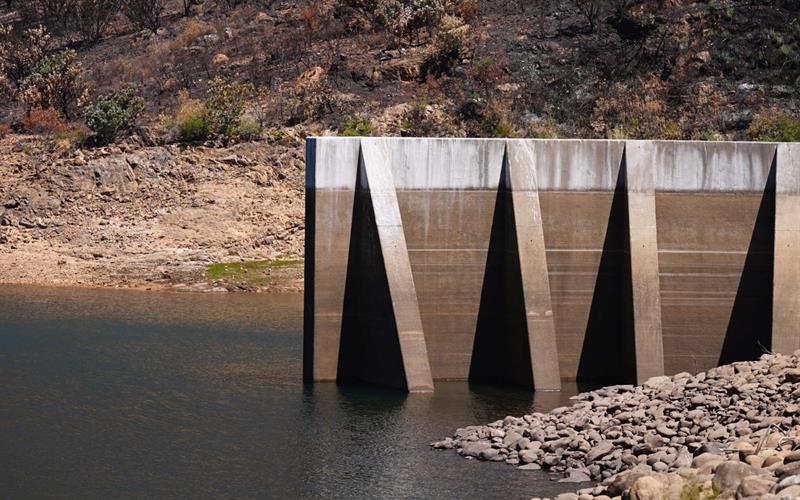
Dam levels are currently sitting at just over 55%, around 19% lower than the same time last year. While there is no immediate threat to supply, the system is entering a more sensitive period ahead of winter rainfall.
The ‘Early Drought Caution’, as per the City’s Drought Management Framework, is an early warning phase that reflects lower-than-expected dam levels and signals the need for continued careful use of water, even though taps are running normally.
Unfortunately, daily water use is relentlessly high and spiked to 1073 million litres per day this past Monday, with average per person consumption at around 178 litres per person per day. Although summer demand is expected to be higher, sustained high usage at this level reduces savings in the system before unpredictable winter rainfall replenishment.
Residents saving water at a household level is now essential to reducing collective consumption and returning our status to below the 975MLD mark.
What the projections show
Updated projections raise concerns about how dam levels will be impacted over the next few months if high water use trends continue and rainfall is low to average.
Put simply: what happens between now and May really matters.
Small changes in water use over the next few weeks can still shift the curve, keeping dams fuller. If demand is reduced, the system retains more flexibility going into winter. If demand remains high, the City’s options narrow and the likelihood of restrictions increases.
Early action to avoid harder measures later
‘The City’s approach is to act early, based on risk, rather than wait for crisis conditions. The Drought Management Framework flags when behaviour change can still make a meaningful difference.
‘Water restrictions are not a punishment. They are a tool to protect supply when risk becomes too high to ignore. The projections show that early, moderate demand management now can help avoid more severe restrictions later, when there is far less room to manoeuvre.
‘Team Cape Town, we still have a window to change the outcome of this winter, but that window is closing. If we use water wisely now, we can protect the system and avoid tough restrictions later. If we wait until the dams are much lower, our options become limited and the measures we need to introduce become far more disruptive.
‘Cape Town is not facing an immediate drought, emergency but dam levels are about 20% lower than last year and the system is entering a phase where early choices will shape the months ahead,’ said Councillor Zahid Badroodien, Mayoral Committee Member for Water and Sanitation.
The City’s key initiatives to reduce water loss
Since the drought, the City has continued to proactively invest in these actions:
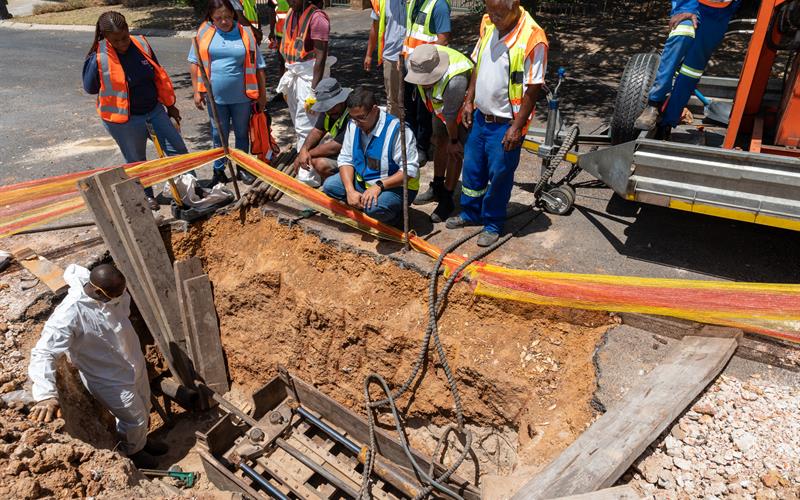
Annually upgrading aged water pipes
- 367km of water pipes were replaced city-wide, between January 2019 and December 2025
Finding and fixing leaks annually
- Since September 2020, 31 080 properties have been inspected in response compliance submissions required under the City’s Water By-laws.
In 2024/25 financial year
- 793 leaks were identified after inspecting 5 562km of the network equating to a saving of nearly 5,8 million litres of water a day
- Daily operations teams attended to 22 693 leaks city-wide.
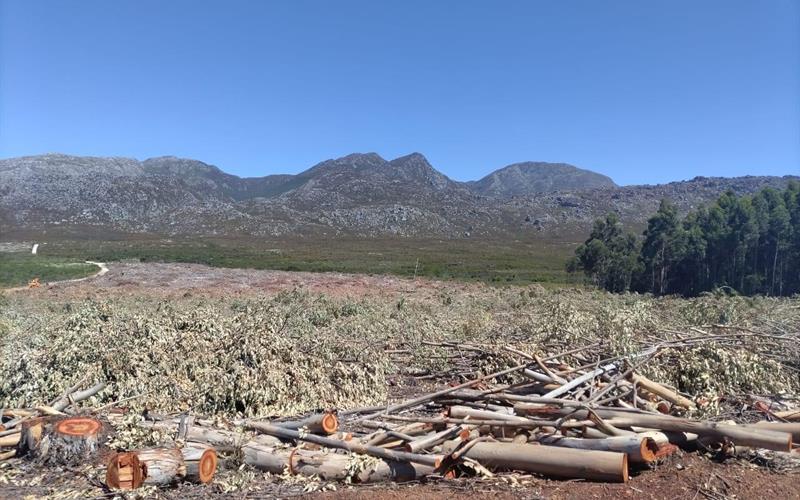
Clearing alien invasive plant species
- More than 51 million litres of water is saved a day from clearing invasive species and better river management.
Aquifers (groundwater schemes)
- About 2 million litres of water a day are delivered through completed schemes at the Table Mountain Group Aquifers Steenbras Phase 1.
Improving pressure management
- By carefully controlling pressure and monitoring flows across approximately 280 pressure management zones, the City reduces pipe bursts, extends the lifespan of its infrastructure and rapidly detects abnormal water losses. This allows teams to intervene early and prevents small issues from escalating into major failures.
Long-term plans to build Cape Town’s water future
The City is proactively investing and progressing with strategic plans for Cape Town’s new water supply to build our water secure future, which aims to add 300 million litres a day to our water supply from 2031.
Updates on these projects:
- Groundwater schemes form a key part of Cape Town’s diversified water supply, aiming to deliver more than 100 million litres of water per day once fully implemented. These projects span three aquifer systems, the Cape Flats, Atlantis (CFA) and Table Mountain Group Aquifers (TMGA), and are at various stages of development. Additional groundwater projects are currently under construction or commissioning, and scheduled to come online in the coming years with 15 production boreholes drilled at TMGA, 66 at CFA and 47 at the Atlantis Aquifer.
- Clearing alien invasive plants is delivering real results for Cape Town’s water supply. These efforts are adding about 18,77 billion litres of water a year to our supply.
- *Water Re-use aims to produce 70 – 100 million litres a day from purified recycled wastewater.
- *Desalination aims to convert seawater into 50 – 70 million litres of drinkable water a day.
*The City is forging ahead with plans to begin procurement for the Faure New Water Scheme (FNWS) for water reuse and the Paarden Eiland Desalination Plant using a Public-Private Partnership (PPP) model. See
For water saving tips, visit the City's website.
See the City’s action plan to be water-wise and build Cape Town’s water secure future.
Published by:
City of Cape Town, Media Office